 Skip to content

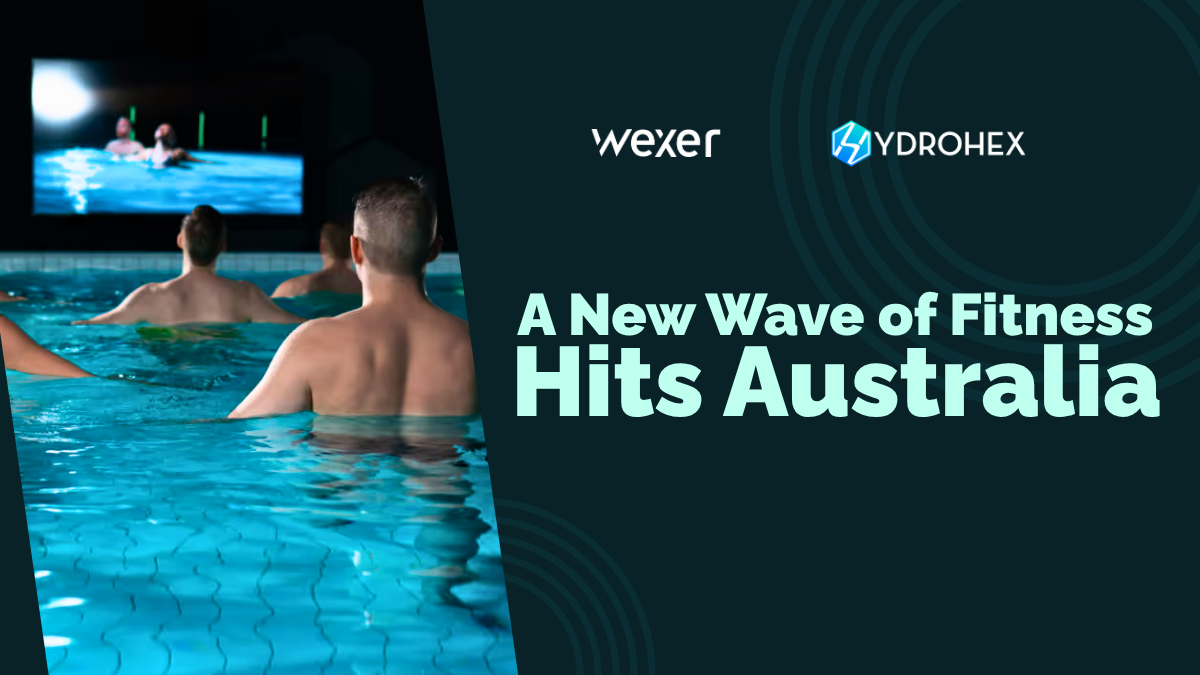
Digital aquatic fitness is creating new opportunities for fitness and leisure operators to make pool-based exercise more accessible, flexible and valuable.
Read more: Digital Aquatic Fitness Expands Use, Access and OpportunityAquatic exercise has always had a strong case for inclusion. It is low impact, adaptable and suitable for a wide range of ages, abilities and stages of rehabilitation. For older adults, people returning to movement after illness or injury, and anyone who feels uncomfortable in a traditional gym environment, the pool can offer one of the safest and most welcoming places to be active.
Yet the way aquatic fitness is typically delivered has not always matched that potential.
Most programs still depend on fixed class times, available instructors and participants feeling confident enough to join a group session. That model works well for some people, but it can unintentionally exclude many others, including shift workers, carers, beginners, people facing cultural barriers and members who simply prefer to exercise privately or with a small group of friends.
This is where digital aquatic fitness creates a meaningful opportunity.
By combining guided digital content with aquatic exercise, operators can make their pools more flexible, accessible and valuable throughout the day. Rather than treating virtual aqua as another class format, it is more useful to see it as a new way of opening the pool to more people.
Overcoming Pools As The Most Valuable Underused Facility Asset
Physically, the pool is already one of the most inclusive areas in a leisure facility. Water supports the body, reduces impact on the joints and allows exercises to be adapted for different levels of mobility, fitness and confidence.
The challenge has rarely been the water itself. It has been access to the experience.
A member may be interested in aquatic exercise but unable to attend the one class that fits their ability level. Someone returning after a health event may want guidance without feeling ready to join a busy group. An older adult may prefer a quieter time of day, while a shift worker may need access outside the traditional morning timetable.
Digital aquatic fitness helps remove these constraints by making structured programming available beyond fixed instructor-led sessions.
Using underwater display technology, pools can provide visually guided workouts without requiring an instructor to be present on the pool deck for every session. When integrated into a broader digital fitness ecosystem, this can create a more consistent experience across the studio, gym floor and aquatic environment.
For members, that means quality programming can be made available throughout the operating day rather than only during a limited number of scheduled classes. Participants can follow a session independently, train with friends or use digital workouts as a bridge towards joining instructor-led classes later.
“At Wexer, we’re always looking for new ways to help operators maximize the value of every square meter of their facilities while creating more engaging experiences for members. Hydrohex brings a fresh and innovative approach to aquatic fitness, transforming pools into active, connected training environments.”
~ Robert Louw, COO, Wexer ~
Access As Part Of A Participation Strategy
Improving participation is not always about persuading people to value exercise more. Often, it is about redesigning the experience around the realities of their lives.
A person may already want to be active but lack the time, confidence or flexibility to fit into a traditional timetable. In these cases, the barrier is not motivation. It is the delivery model.
Digital aquatic fitness gives operators another way to meet people where they are. It can provide greater choice for carers, more privacy for members who need it, additional options for older adults and a gradual re-entry point for people rebuilding their health and fitness.
This can also help leisure organizations fulfil a wider community role. Facilities such as YMCAs are not only places to exercise. They are spaces where people build confidence, maintain independence and stay socially connected. The YMCA in Victoria, Australia is one facility that uses the Wexer and Hydrohex solution to deliver more value.
“The more we can remove barriers to participation, the more likely people are to stay active and connected. This is a simple way to increase access, particularly for people who need flexibility.”
~ Nadine Kemp, General Manager of Recreation, YMCA Victoria, Australia~
Seen in that context, digital programming is not a replacement for live classes or instructors. It is an expansion of the aquatic offer, creating additional opportunities between scheduled sessions and serving members who might otherwise remain on the sidelines.
Digital Extending A Proven Model Into New Space
Hydrohex’s underwater display technology delivers structured, guided aquatic sessions without an instructor on the pool deck. Combined with Wexer’s digital fitness ecosystem, operators can extend a delivery model they already understand into an environment they have never been able to digitise.
For Wexer, this reflects a broader strategic position. Value sits in delivering quality experiences wherever people choose to move, not in owning a single screen in a single room. Aquatic is the first major extension of that principle beyond the gym floor.
“It’s a low-risk way for us to evolve. It sits within our existing operating and insurance frameworks, which gives us the ability to test, learn and scale without introducing unnecessary risk. It’s not something entirely new as it builds on capability we already have in the business. Extending into virtual aqua is just the next step.”
~ Nadine Kemp, General Manager of Recreation, YMCA Victoria ~
For operators that already use virtual fitness in studios, extending the model into the pool may be more evolutionary than revolutionary. The operating principles are familiar: use digital content to increase availability, support consistency and create more choice around live programming.
The difference is that aquatic fitness may have even more to gain.
Unlocking More Value From The Pool
There is also a strong operational case for digital aquatic fitness.
Pools are among the most expensive areas of a leisure facility to build, heat, maintain and staff. When they are underused outside swimming lessons and scheduled classes, the cost of those quieter periods is significant.
At the same time, aquatic programming is highly dependent on instructor availability. Recruitment challenges, staff absence and timetable gaps can all reduce the consistency of the member experience.
Digital programming helps operators make better use of existing pool space without having to add an instructor to every session. It can extend programming into previously quiet periods, support more consistent delivery and create new ways for members to engage with an asset that is already being operated.
This is particularly relevant as demand grows for active ageing, rehabilitation and low-impact exercise. These are not niche categories. They are increasingly central to the future of community health and fitness.
“Aquatic programming has always had the potential to reach people that other formats cannot. What has held it back is not the water, it is the timetable.”
~ Owen Bowling, Head of APAC at Wexer ~
The Digital Journey Expands Facility Utilization
For many years, digital fitness has been associated with screens in studios or content accessed at home. The next stage is likely to be less about a particular screen and more about enabling guided movement wherever people choose to exercise. The pool is a natural next step.
Digital aquatic fitness can support both community participation and operational value. It gives members more flexibility, helps teams extend programming and creates more reasons for people to use the pool throughout the day.
It can also help operators connect their digital strategy across the entire facility. Instead of limiting virtual experiences to one studio, digital programming can become part of a broader member journey that includes the gym floor, group exercise spaces and the pool.
Most importantly, digital aquatic fitness turns accessibility from a physical feature into a complete experience.
A pool may already be easy on the body. The opportunity now is to make it easier to access in time, confidence and choice.
“At the heart of it, this is about making it easier for more people to take part. Not everyone can make a set class time, and not everyone feels comfortable walking into a traditional group session. This gives people another way in.”
~ Nadine Kemp, General Manager of Recreation at YMCA Victoria, Australia ~
That “way in” may be the most important part of the experience.