 Skip to content

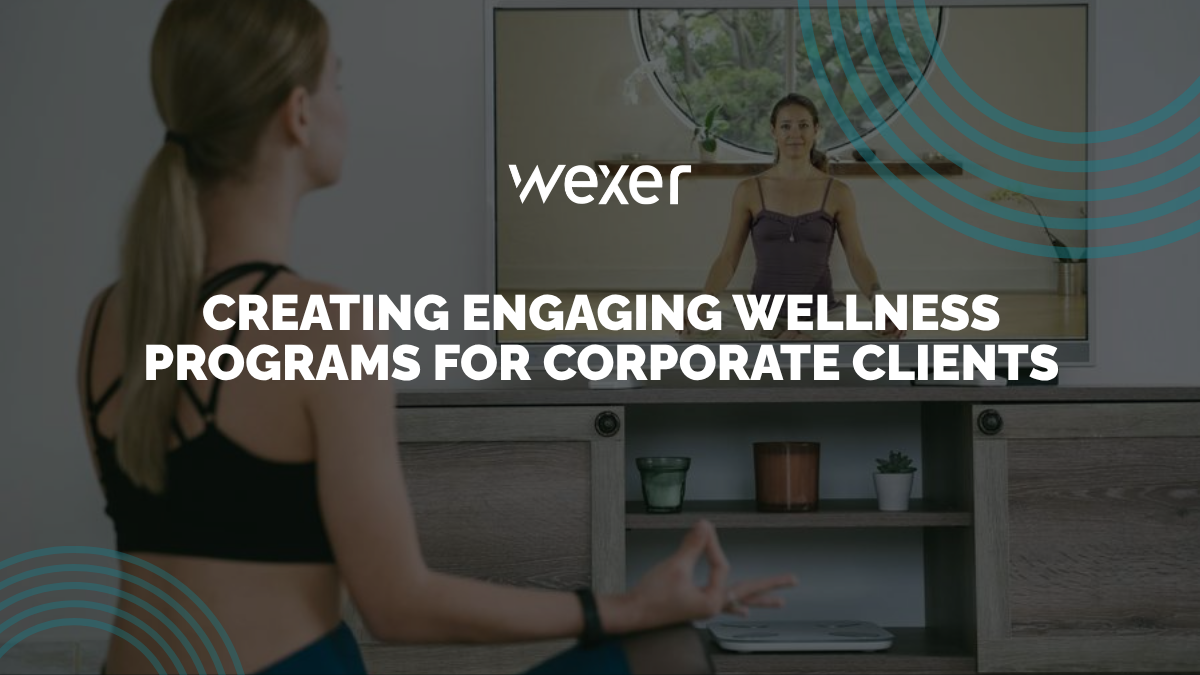
Corporate wellness programs have become an increasingly important way for organizations to support employee health, strengthen workplace culture, and create a more engaged workforce.
Simply offering wellness resources is not enough. To make a meaningful impact, fitness and wellness providers need to create corporate wellness experiences that employees genuinely want to use.
The most successful workplace wellness strategies combine accessibility, variety, personalization, and ongoing engagement. They recognize that employees have different fitness levels, schedules, interests, and wellbeing goals—and give people the flexibility to participate in ways that work for them.
Here are some of the key considerations for creating an engaging wellness experience for corporate clients.
Steps To Create Engaging Corporate Wellness Programs
1. Start With Workforce Needs
Before building a wellness offering, it is important to understand the people who will actually use it.
A workforce might include employees working in an office, remotely, across multiple locations, or in a hybrid environment. Employees can also vary significantly in age, physical ability, fitness experience, and personal goals.
Start by identifying what employees are looking for. Surveys, participation data, employee feedback, and discussions with HR teams can provide useful insights.
Some employees may be interested in high-energy workouts, while others may prefer yoga, mobility, meditation, or short wellbeing sessions they can complete during the working day.
Understanding these differences makes it easier to design corporate wellness programs that appeal to a broader range of employees rather than focusing solely on traditional fitness.
2. Make Wellness Easy To Access
Convenience can have a major influence on participation. Employees are more likely to engage with wellness initiatives when activities fit naturally into their daily routines. Asking people to attend a specific location at a specific time can create barriers, particularly for remote employees, caregivers, frequent travelers, or people with unpredictable schedules.
Digital wellness can help remove many of those barriers.
Providing on-demand fitness and wellbeing content allows employees to participate wherever they are and at a time that suits them. A worker might complete a 10-minute stretch between meetings, join a guided meditation during a break, or take a full workout at home after work.
Giving employees this flexibility can turn wellness from another item on their schedule into an accessible part of everyday life.
3. Offer Variety
There is no single type of exercise or wellbeing content that will appeal to everyone. A strong wellness library should offer a diverse mix of experiences. This could include strength training, cardio, cycling, yoga, Pilates, stretching, mobility, mindfulness, meditation, and recovery sessions.
Workout duration matters too. While some employees may have time for a 45-minute workout, others might only have 10 or 15 minutes available. Providing different session lengths gives employees more opportunities to participate.
Variety can also help prevent wellness initiatives from becoming repetitive. Regularly introducing different classes, instructors, challenges, and wellbeing themes gives employees a reason to keep coming back.
4. Personalize The Experience
Employees are more likely to stay engaged when wellness feels relevant to them. Instead of giving every employee exactly the same journey, provide ways for individuals to select activities based on their preferences, abilities, and goals.
For example, employees could choose content based on workout type, duration, intensity, instructor, or wellbeing objective.
Organizations can also create curated collections around themes such as stress management, improving mobility, building strength, supporting better sleep, or staying active while working from home.
Personalization helps transform corporate wellness programs from a generic employee benefit into an experience employees can adapt to their individual lifestyles.
5. Create A Sense Of Community
Wellness can be an individual experience, but it can also bring employees together. Company-wide activities and challenges can encourage participation while creating a shared sense of purpose. Employers might organize movement challenges, wellbeing weeks, team goals, or themed monthly campaigns.
Communication is important here. Regular reminders through internal newsletters, messaging platforms, digital signage, or company apps can keep wellness visible without making participation feel compulsory.
Celebrating milestones can also help. Rather than focusing exclusively on performance, employers can recognize participation, consistency, or collective achievements.
The goal should be to create positive encouragement and make wellbeing part of the organization’s culture.
6. Include More Than Fitness
Employee wellbeing extends beyond physical exercise. Stress, sleep, recovery, mental wellbeing, and work-life balance can all affect how employees feel and perform. As a result, a holistic workplace wellness strategy should provide resources addressing several dimensions of wellbeing.
Mindfulness exercises, guided meditation, breathing sessions, stretching, and educational wellbeing content can complement traditional workouts.
This broader approach also makes wellness more inclusive. An employee who does not consider themselves interested in fitness may still participate in meditation, mobility, relaxation, or stress-management content.
By creating multiple entry points, organizations can engage employees who might otherwise overlook a traditional workplace fitness initiative.
7. Keep Employees Engaged Over Time
Launching a wellness benefit is only the beginning. Long-term success depends on continuing to give employees reasons to participate. Seasonal campaigns, new content, themed challenges, and regular communications can all help maintain momentum.
Employers can also use engagement insights to understand which activities employees use most frequently and where participation may be declining.
These insights can inform future decisions and allow wellness providers to evolve the experience rather than relying on a fixed program year after year.
The best corporate wellness programs are therefore not static. They develop alongside the workforce and respond to changing employee needs.
8. Measure What Matters
Finally, organizations should determine what success looks like. Participation and usage are useful measures, but they are not the only indicators worth considering. Employee feedback, satisfaction, wellbeing sentiment, retention, and engagement can provide a broader picture of a program’s impact.
Clear objectives also help corporate wellness providers demonstrate value to HR and leadership teams.
Instead of simply asking how many workouts employees completed, consider whether the initiative is helping employees build healthier routines, access wellbeing support more easily, and feel that their organization is investing in their health.
Build Wellness Experiences Around the Employee
Engaging workplace wellness starts with flexibility and choice. Organizations increasingly have employees working across different environments, schedules, and lifestyles. Wellness experiences need to reflect that reality.
By combining accessible digital experiences, diverse content, personalization, community initiatives, and ongoing measurement, providers can create wellness offerings that employees can integrate into everyday life.
Ultimately, successful workplace wellbeing is not about convincing every employee to follow the same fitness routine. It is about giving people accessible opportunities to move, recharge, and support their wellbeing in the way that works best for them.
Let Wexer help you design a engaging corporate wellness experience for you employees. Contact us today!